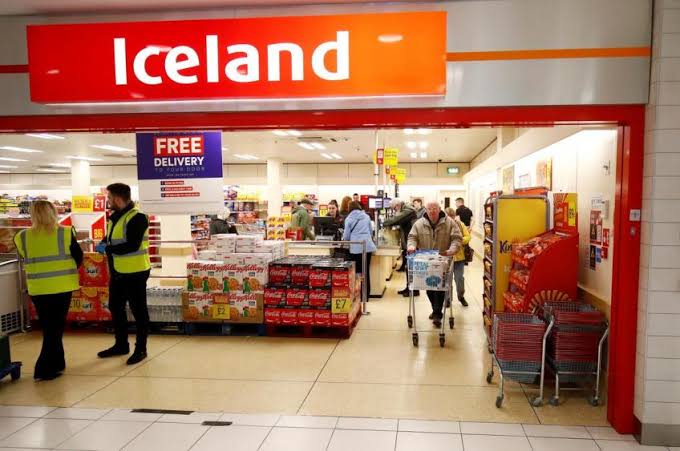
Brait SE has confirmed it has received final payment of £48.5 million for the 63.1% controlling stake it held in Iceland TopCo Limited.
The company initially acquired a stake in Iceland Foods in 2012 and a subsequent stake in 2015. Iceland Foods management has expressed an interest in owning 100% of the company again for some time, and diligent cash management, together with reduced capital expenditure have provided sufficient liquidity for them to do so.
Brait disposed of its shareholding on the 8th of June 2020, in line with a new strategy announced to the shareholders by the Brait board on the 27th November 2019. The strategy revealed an intense focus on realizing value from its existing portfolio for the next five years. The stake was returned to Iceland Foods founder Sir Malcolm Walker CBE, together with Tarsem Dhaliwal – chief executive – through their newly established company NewCo, at a sale consideration of £108 million. The first tranche of £60 million was received on the 8th of June 2020
The Virgin Active owner said in a SENS announcement, it will use the proceeds to partially repay a revolving credit facility held by its subsidiary Brait Mauritius where the balance outstanding will be R2.7 billion (R4.6 billion as at 31 March 2020).
JSE:BAT opened trade at 3.5% higher at R3.25 on Wednesday morning.
PSG Group – through their PSG Financial Services arm – has increased its controlling stake in Curro Holdings a week after the private education group confirmed a successful R1.5bn rights issue.
The group already held a 55.4% interest in Curro Holdings and have today confirmed a 4.6% purchase consideration to take their existing interest to 60%. This comes five days after Allan Gray Proprietary Limited’s clients, in aggregate, acquired a 5.39% stake in the private education group.
Curro recently reported a 7% increase in revenue to R1.59bn during the first six months of 2020 with a 12% rise in EBITDA from R415m in the corresponding period to R466m this year.
With the Covid-19 pandemic in full swing during the same review period, Curro experienced a decline in the number of learners for the first time since 2011, down from 62 698 to 59 967.
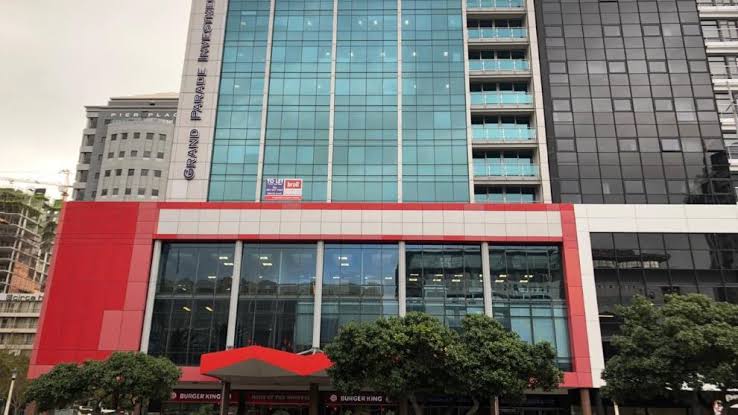
Grand Parade Investments issued a trading statement on Monday afternoon confirming a fall in profits as a result of a national lockdown that saw all its operational businesses shut down for 30 days.
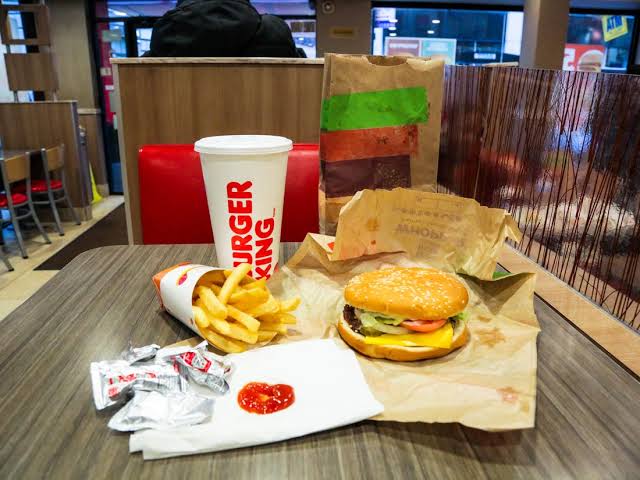
The Cape Town based company said all its other businesses – with the exception of Burger King South Africa – remained shut for the entire fourth quarter. BKSA was allowed to operate through home delivery only during the month of May, with all other service modes resuming from the beginning of June.
The group’s gaming businesses resumed operations in July under restrictive operational controls put in place to safeguard its staff and customers against the pandemic. These controls have since been relaxed in accordance with the national lockdown level imposed by national government.
Grand Parade Investments confirmed it will continue with the sale of BKSA, Grand Foods Meat Plant and their Kuilsriver based property – 33 Heerengracht Close – for a combined fee of R683 million.
33 Heerengracht Close, Kuilsriver, Cape Town.
Basic loss per share is expected to rise more than 300% from the previous year, from 8.48 cents to between 27.52 and 29.22 cents while headline loss per share will increase to the range of 13.18 to 14.96 cents, up from 8.91 cents in FY19.
The group has confirmed it has been engaging all primary lenders to renegotiate credit terms to avoid covenant breaches as well as rental holidays from landlords.
Grand Parade Investments Limited final results are expected to be published on the 23rd of September 2020
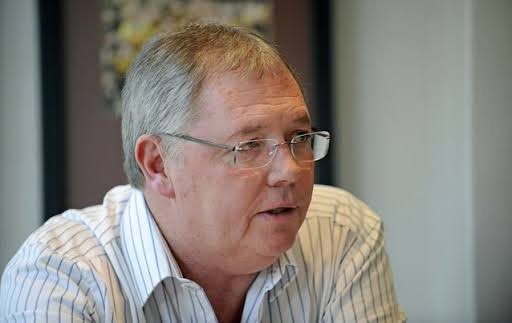
Lindsay Ralph, outgoing CEO of Bidvest Group Limited.
Bidvest released their consolidated annual financial results for the year ended 30 June 2020 this morning and highlighted an investment revamp that will change the future outlook of the group.
Filled with corporate action, Bidvest’s financial year was a year of strategic review – with acquisitions and disposals overshadowing the material effects of Covid-19. Chief executive Mr Lindsay Ralph opened his report by extending heartfelt condolences to the families and friends of the 35 Bidvest employees that succumbed to Covid-19.
On the performance side, Bidvest’s revenue remained subdued at R76.5bn, a 0.6% increase from the previous year while gross profit margins increased 4% to R23.4bn. There were significant negative movements for both HEPS and BEPS; the former declining 59.5% to 553.2cents per share with the latter tanking from 1133.8cents per share to a mere 49.8cents per share. No dividend was declared by the group, underlining an uncertain economic climate as the reason for the hoard.
A strong focus on the management of working capital and an intense cost containment program saw the group generate R9.2bn cash from operations, a 38.2% increase from FY19. Although R1.5bn of the R2.5bn increase resulted from the adoption of IFRS 16.
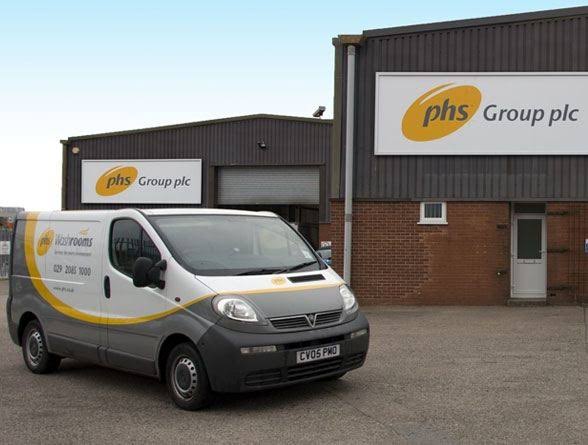
Bidvest acquired UK-based hygiene group PHS Group plc
Bidvest finalized the acquisition of PHS Group plc for £495m through a GBP dominated bridge facility and consolidated two months of trading to their 30 June 2020 results. PHS Group plc is based in the UK and has over 120 000 clients in over 300 000 locations spread across the UK, Spain and the Republic of Ireland. They service schools, hospitals, restaurants, offices, etc with over 50% of their contracts classified as long term contracts.
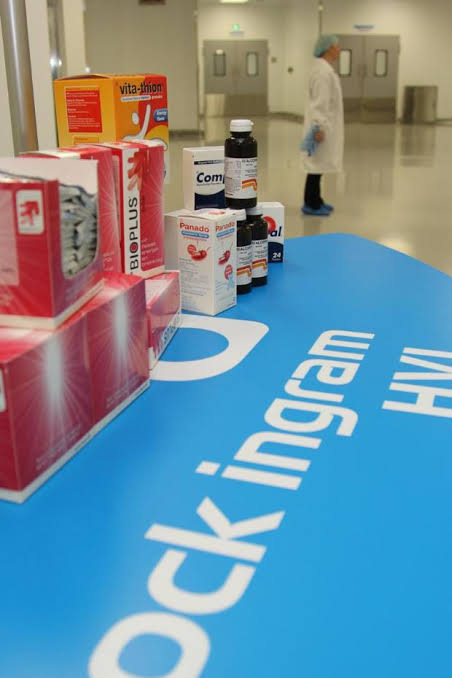
Another notable acquisition was the maiden consolidation of a 53.6% controlling interest in Adcock Ingram which has, together with PHS Group plc, strengthened the balance sheet by 46.6% to R90.9bn. Adcock Ingram brought an additional R6.9bn to revenue and R823m to operating income.
Adcock Ingram has consolidated to the Bidvest Group.
The disposal list was rather eye catching, with the following associates; Bidvest Wits, Bidair Services, Bidvest Car Rental, Mumbai International Airport Limited, Glenryck, Mansfield Group, Commuter Handling Services, and Voltex Namibia all getting the chop and costing the group R247.2m in losses in the process. This has largely been offset by the 40% reduction in deductible tax from R1.4bn to R851.6m due to the disposals of these associates.
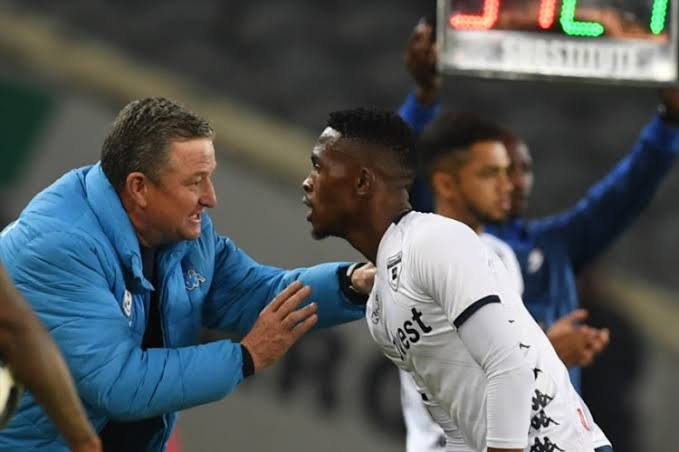
Bidvest Wits Football Club has been sold by the group.
Chief Executive Lindsay Ralph was also quick to highlight that the 150% rise in net debt EBITDA from R7.8bn to R19.7bn was due to the bridging facility used to acquire PHS Group plc, however, this is only payable in December 2021 and was still within the group’s gearing tolerance.
As at 13h00, JSE:BVT was trading at R149.13 per share.
Telkom SOC Limited released their consolidated annual financial statements on Monday and expressed concerned over dwindling fixed business numbers that are proving an Achilles’ heel for the group as its revenue mix evolves.
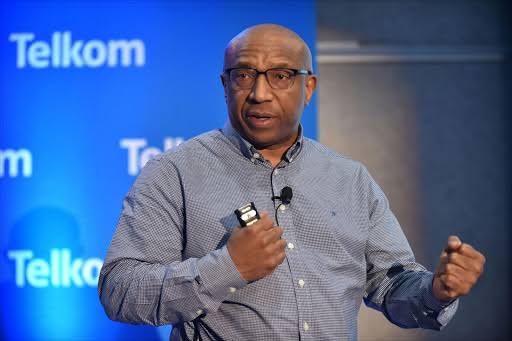
Sipho Maseko, Group CEO of Telkom SOC Limited.
Telkom, South Africa’s biggest fixed-line operator with 164000km of Fibre in the ground, has reported a “mixed bag” of results after a challenging financial year. Group revenue rose 3% to R43 billion while both headline earnings per share (HEPS) and basic earnings per share (BEPS) tanked 30.2% to 504.6cents and 37.2% to 417.70cent respectively.
One of the chief highlights of the presentation was a 54.4% increase in Telkom’s mobile services higher base revenue to R12.6 billion. This growth represented a 23.9% jump in their South African customer base to 12 million and is consistent with the CAPEX Programme that saw another R7.8 billion – a 1.1% increase from previous year – spent on IT infrastructure and ongoing network investment which was meant to enhance their broadband-led proposition and attract new customers.
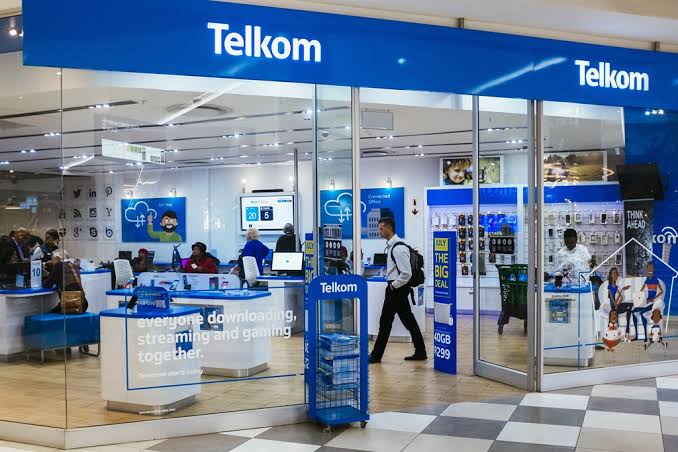
Telkom Mobile outlet, Johannesburg Gauteng
Fixed voice revenue declined 22.2% year-on-year and drew the attention of the Group Chief Executive Sipho Maseko in his CEO report, citing a communication migration to far more cheaper alternatives in the market – such as Whatsapp voice calling – that utilize data to host the communication. In an interview with MoneyWeb on Monday, he confirmed that the group is expecting this trend to continue into the next few financial periods as more alternatives become available in the market, however, Telkom can mitigate against the material declines by finding the right revenue mix that represents the current communication trends.
A focused accounting record clean-up identified incorrectly classified expenses relating to one of the subsidiaries, BCX. The adjustments were all overstatements and did not change the financial position of the group or any of the prime salient features. Telkom also confirmed the successful launch of Telkom Small and Medium Business division on the 1st of April 2019 and the repurchasing of a further 35.1% stake in Yellow Pages and seeks to revamp the call directory to keep it relevant and in line with market requirements.
Telkom bought a 35.1% non controlling stake in Yellow Pages during the FY20 reporting period.
Adjusted cash flow soared 267% to R2.0 billion, up from R534 million the previous year. This, coupled with the announcement of a suspended dividend policy that required the company to pay out 60% of headlines earnings as dividend per share annually, plus a rescheduled debt profile will boost Telkom with much needed liquidity as they venture into tough economic times. Short term debt was renegotiated and reduced by 64.8% to R1.9 billion, inversely, the new terms increased long term debt two fold to R10.1 billion from R4.8 billion. No retrenchments were announced during the reporting period, instead, 75% of all qualifying employees took voluntary severance packages (VSPs) and voluntary early retirement packages (VERPs) which set the company back almost R1.2 billion.
JSE:TKG was trading 4.94% lower at R24.24 per share on Tuesday afternoon.

 Business Corner